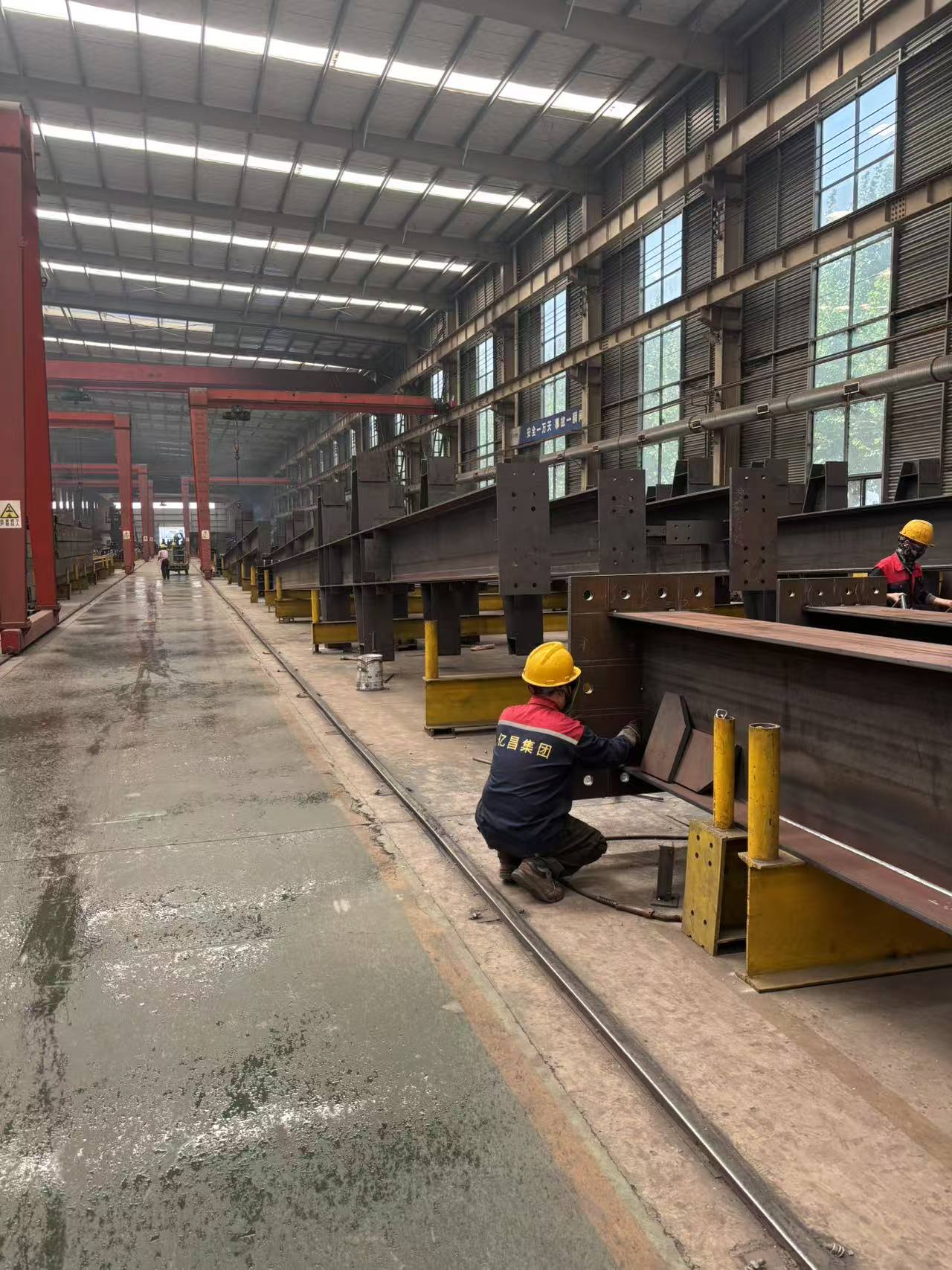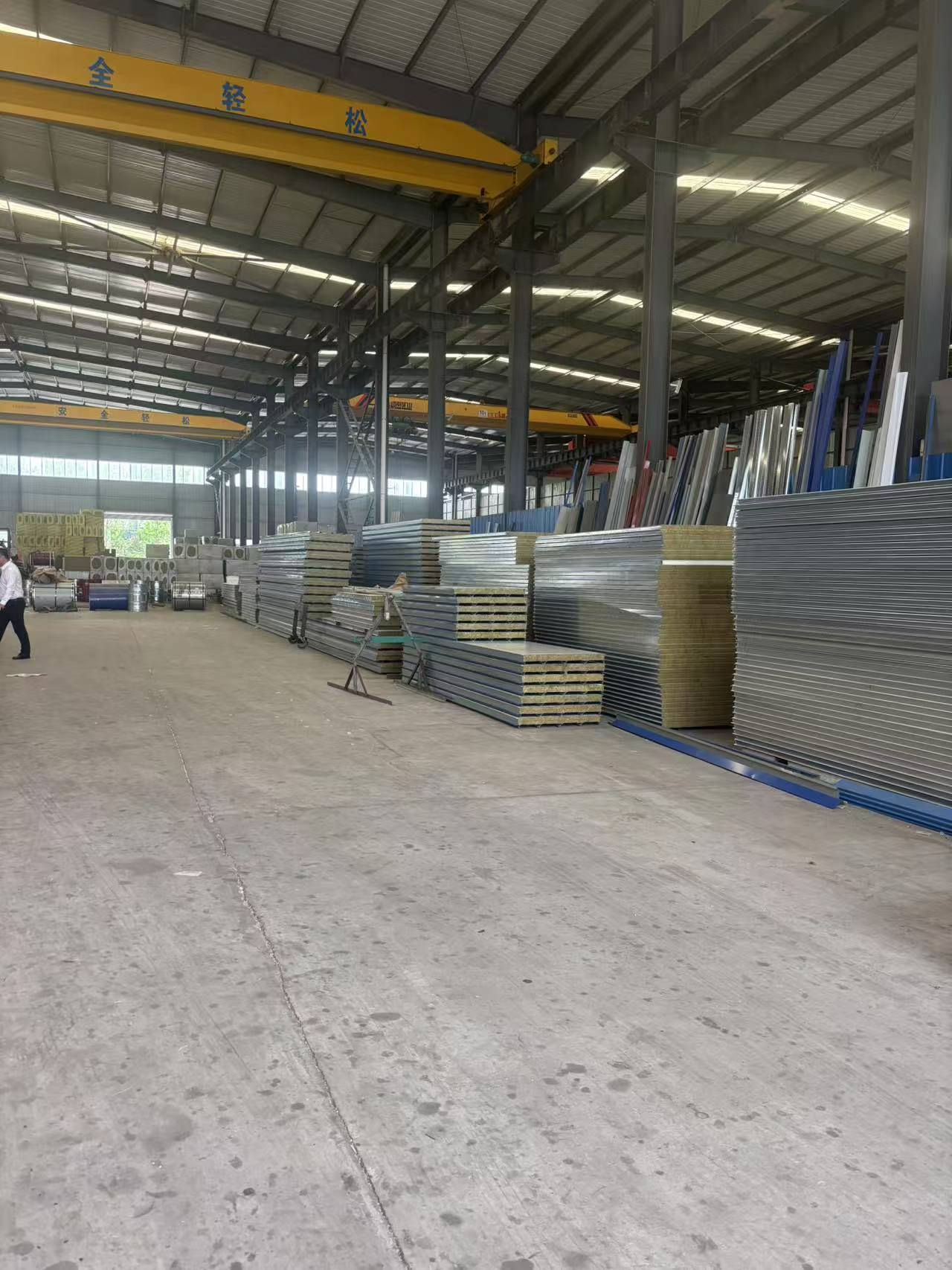
Driven by carbon neutrality targets, prefabricated building policies and sustained infrastructure investment, China's steel structure industry is entering a new phase of structural growth. This article reviews key 2025 trends, export developments and technology directions.
Industry scale and growth
China's steel structure output reached approximately 120 million tonnes in 2023, with the construction sector accounting for more than 50%. The penetration rate in new industrial buildings exceeds 30% and is expected to surpass 35% by 2025. Annual industry growth is 8–12%, well above the overall construction sector.
Policy drivers
China's 14th Five-Year Plan for construction targets ≥30% prefabrication rate by 2025, with incentives including subsidies, floor-area bonuses and expedited approvals. Key beneficiary segments: industrial buildings, affordable housing pilots, schools and hospitals (upgraded seismic requirements).
Export markets: Middle East, Southeast Asia, Africa
Export growth in 2023 was led by Saudi Arabia, UAE, Iraq, Vietnam, Indonesia and the Philippines. Main products: PEB warehouses, large storage facilities, bridge steelwork and stadium structures.
Technology trends
BIM integration across design-fabrication-installation; high-strength steel (Q420/Q460) for lighter sections; green manufacturing with energy recovery and renewable power — all aligned with carbon-neutrality targets.
With China's carbon-neutrality push, steel's 100% recyclability, low on-site dust and short construction time are becoming powerful arguments for steel over concrete — a trend set to accelerate through 2025 and beyond.
— Hongyuan Strategic Research