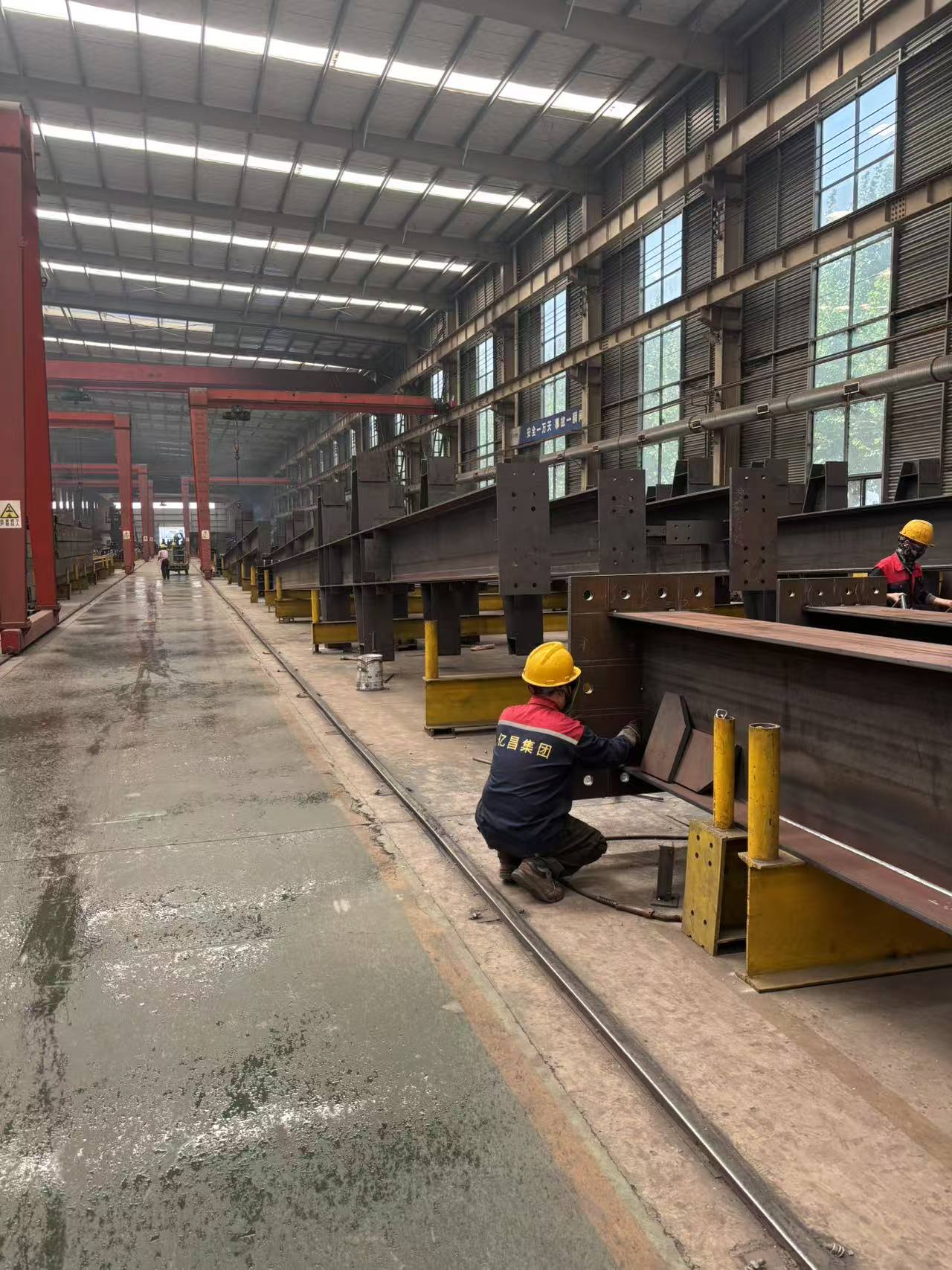
The service life of a steel structure is closely tied to its corrosion protection system. The right approach not only protects structural safety but significantly reduces maintenance costs over the building's lifetime.
Corrosion causes and environment classification
Steel corrodes through electrochemical reactions with oxygen and moisture. ISO 9223 classifies corrosion environments from C1 (dry indoor) to C5 (marine/heavy industrial). Matching the protection system to the environment is essential.
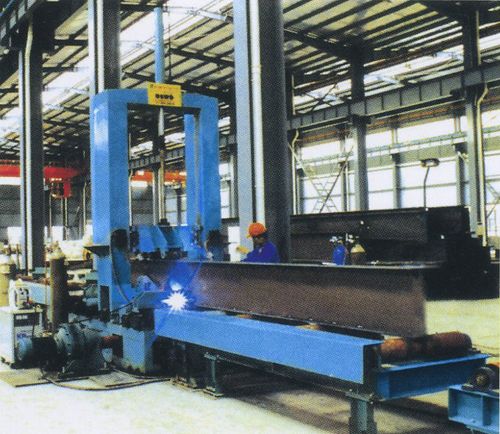
Paint coating system
Three-coat system: zinc-rich epoxy primer (DFT ≥75 μm) + epoxy micaceous iron oxide MIO mid-coat (DFT ≥100 μm) + polyurethane topcoat (DFT ≥60 μm).
Surface preparation is critical: Sa2.5 cleanliness and Rz 40–70 μm roughness are required for primer adhesion.
Hot-dip galvanising
Immersion in molten zinc at ~450°C creates a metallurgically bonded zinc-iron alloy layer (≥85 μm outdoors per GB/T 13912). Provides 50+ year protection in C3 environments, covers all surfaces including corners and internal voids.
Recommended for coastal/chemical environments, hard-to-maintain locations, and export projects.
The service life of a steel structure is largely determined by the quality of its corrosion protection system. Sa2.5 surface preparation is the foundation — get this right and coating life can double.
— Hongyuan Quality Dept.